

Coplanar points are points that all lie on the same flat plane in three-dimensional space. To check whether four points are coplanar, you can find the equation of the plane through the first three points and then test whether the fourth point satisfies that equation. These problems include determinant-style plane equations, coordinate substitution, and several common variations with points in 3D space.
Notes
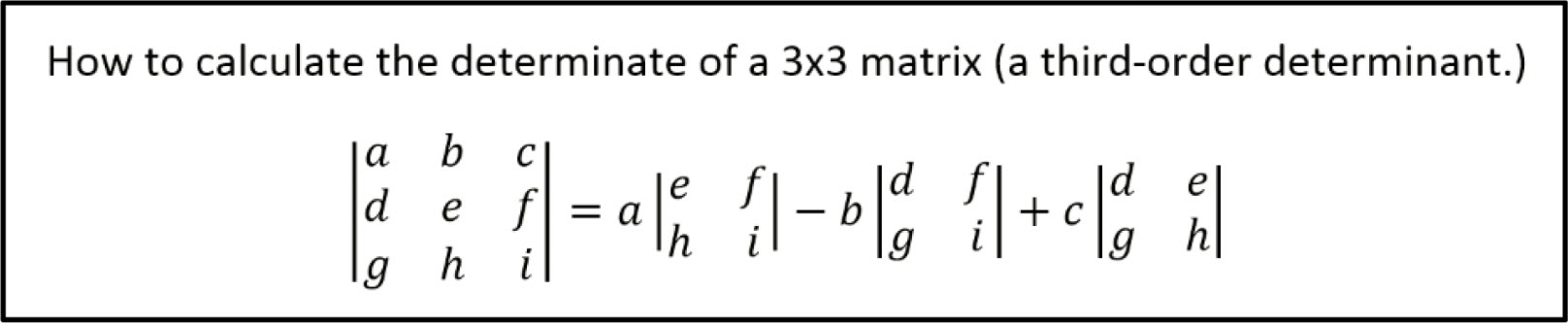
\(\text{Equation of a Plane Given 3 Points}\)
\( \left| {\begin{array}{ccc}x-x_1 & y-y_1 & z-z_1 \\x_2-x_1 & y_2-y_1 & z_2-z_1 \\x_3-x_1 & y_3-y_1 & z_3-z_1 \\\end{array} } \right|=0\)
Practice Problems
Are the following points coplanar?
\(\textbf{1)}\) \((1,2,3), (4,2,6), (-2,8,9), \&\, (3,4,8)\)\(\text{Yes, the 4 points are coplanar}\)
\(\,\,\,\text{Find the equation of the plane through the first 3 points}\)
\(\,\,\,\,\,\,\,\,\,\,\,\,\left| {\begin{array}{ccc}x-x_1 & y-y_1 & z-z_1 \\x_2-x_1 & y_2-y_1 & z_2-z_1 \\x_3-x_1 & y_3-y_1 & z_3-z_1 \\\end{array} } \right|=0\)
\(\,\,\,\,\,\,\,\,\,\,\,\,\left| {\begin{array}{ccc}x-1 & y-2 & z-3 \\3 & 0 & 3 \\-3 & 6 & 6 \\\end{array} } \right|=0\)
\(\,\,\,\,\,\,\,\,\,\,\,\,(x-1)(-18) – (y-2)(27) + (z-3)(18) = 0\)
\(\,\,\,\,\,\,\,\,\,\,\,\,-18x – 27y + 18z = -18\)
\(\,\,\,\text{The equation of the plane is } 2x+3y-2z=2 \)
\(\,\,\,\text{Plug the 4th point in to the equation to see if it is on the plane}\)
\(\,\,\,\,\,\,\,\,\,\,\,\,2(3)+3(4)-2(8)=2 \)
\(\,\,\,\,\,\,\,\,\,\,\,\,6+12-16=2 \)
\(\,\,\,\,\,\,\,\,\,\,\,\,2=2 \)
\(\,\,\,\text{Therefore, the 4 points are coplanar}\)
\(\,\,\,\text{Find the equation of the plane through the first 3 points}\)
\(\,\,\,\,\,\,\,\,\,\,\,\,\left| {\begin{array}{ccc}x-x_1 & y-y_1 & z-z_1 \\x_2-x_1 & y_2-y_1 & z_2-z_1 \\x_3-x_1 & y_3-y_1 & z_3-z_1 \\\end{array} } \right|=0\)
\(\,\,\,\,\,\,\,\,\,\,\,\,\left| {\begin{array}{ccc}x-1 & y-2 & z-3 \\3 & 0 & 3 \\-3 & 6 & 6 \\\end{array} } \right|=0\)
\(\,\,\,\,\,\,\,\,\,\,\,\,(x-1)(-18) – (y-2)(27) + (z-3)(18) = 0\)
\(\,\,\,\,\,\,\,\,\,\,\,\,-18x – 27y + 18z = -18\)
\(\,\,\,\text{The equation of the plane is } 2x+3y-2z=2 \)
\(\,\,\,\text{Plug the 4th point in to the equation to see if it is on the plane}\)
\(\,\,\,\,\,\,\,\,\,\,\,\,2(3)+3(4)-2(8)=2 \)
\(\,\,\,\,\,\,\,\,\,\,\,\,6+12-16=2 \)
\(\,\,\,\,\,\,\,\,\,\,\,\,2=2 \)
\(\,\,\,\text{Therefore, the 4 points are coplanar}\)
\(\textbf{2)}\) \((5,3,2), (7,7,7), (-1,0,5), \&\, (1,8,9)\)\(\text{No, the 4 points are not coplanar}\)
\(\,\,\,\text{Find the equation of the plane through the first 3 points}\)
\(\,\,\,\,\,\,\,\,\,\,\,\, \left| {\begin{array}{ccc}x-5 & y-3 & z-2 \\2 & 4 & 5 \\-6 & -3 & 3 \\\end{array} } \right|=0\)
\(\,\,\,\,\,\,\,\,\,\,\,\,(x-5)(27) + (y-3)(-36) + (z-2)(18) = 0\)
\(\,\,\,\,\,\,\,\,\,\,\,\,27x-36y+18z-63 = 0\)
\(\,\,\,\text{The equation of the plane is } 3x-4y+2z=7 \)
\(\,\,\,\text{Plug the 4th point in to the equation to see if it is on the plane}\)
\(\,\,\,\,\,\,\,\,\,\,\,\,3(1)-4(8)+2(9)\ne7\)
\(\,\,\,\,\,\,\,\,\,\,\,\,3-32+18\ne7\)
\(\,\,\,\,\,\,\,\,\,\,\,\,-11\ne7\)
\(\,\,\,\text{Therefore, the 4 points are not coplanar}\)
\(\,\,\,\text{Find the equation of the plane through the first 3 points}\)
\(\,\,\,\,\,\,\,\,\,\,\,\, \left| {\begin{array}{ccc}x-5 & y-3 & z-2 \\2 & 4 & 5 \\-6 & -3 & 3 \\\end{array} } \right|=0\)
\(\,\,\,\,\,\,\,\,\,\,\,\,(x-5)(27) + (y-3)(-36) + (z-2)(18) = 0\)
\(\,\,\,\,\,\,\,\,\,\,\,\,27x-36y+18z-63 = 0\)
\(\,\,\,\text{The equation of the plane is } 3x-4y+2z=7 \)
\(\,\,\,\text{Plug the 4th point in to the equation to see if it is on the plane}\)
\(\,\,\,\,\,\,\,\,\,\,\,\,3(1)-4(8)+2(9)\ne7\)
\(\,\,\,\,\,\,\,\,\,\,\,\,3-32+18\ne7\)
\(\,\,\,\,\,\,\,\,\,\,\,\,-11\ne7\)
\(\,\,\,\text{Therefore, the 4 points are not coplanar}\)
\(\textbf{3)}\) \((2,2,2), (4,-1,-1), (0,0,1), \&\, (-4,1,3)\)\(\text{Yes, the 4 points are coplanar}\)
\(\,\,\,\text{Find the equation of the plane through the first 3 points}\)
\(\,\,\,\,\,\,\,\,\,\,\,\, \left| {\begin{array}{ccc}x-2 & y-2 & z-2 \\2 & -3 & -3 \\-2 & -2 & -1 \\\end{array} } \right|=0\)
\(\,\,\,\,\,\,\,\,\,\,\,\,(x-2)(-3) – (y-2)(8) + (z-2)(-10) = 0\)
\(\,\,\,\,\,\,\,\,\,\,\,\, -3x+6 -8y +16 -10z+20 = 0\)
\(\,\,\,\text{The equation of the plane is } 3x+8y+10z=42 \)
\(\,\,\,\text{Plug the 4th point in to the equation to see if it is on the plane}\)
\(\,\,\,\,\,\,\,\,\,\,\,\,3(-4)+8(1)+10(3)=42\)
\(\,\,\,\,\,\,\,\,\,\,\,\,-12+8+30=26\)
\(\,\,\,\,\,\,\,\,\,\,\,\,26\ne42\)
\(\,\,\,\text{Therefore, the 4 points are not coplanar}\)
\(\,\,\,\text{Find the equation of the plane through the first 3 points}\)
\(\,\,\,\,\,\,\,\,\,\,\,\, \left| {\begin{array}{ccc}x-2 & y-2 & z-2 \\2 & -3 & -3 \\-2 & -2 & -1 \\\end{array} } \right|=0\)
\(\,\,\,\,\,\,\,\,\,\,\,\,(x-2)(-3) – (y-2)(8) + (z-2)(-10) = 0\)
\(\,\,\,\,\,\,\,\,\,\,\,\, -3x+6 -8y +16 -10z+20 = 0\)
\(\,\,\,\text{The equation of the plane is } 3x+8y+10z=42 \)
\(\,\,\,\text{Plug the 4th point in to the equation to see if it is on the plane}\)
\(\,\,\,\,\,\,\,\,\,\,\,\,3(-4)+8(1)+10(3)=42\)
\(\,\,\,\,\,\,\,\,\,\,\,\,-12+8+30=26\)
\(\,\,\,\,\,\,\,\,\,\,\,\,26\ne42\)
\(\,\,\,\text{Therefore, the 4 points are not coplanar}\)
\(\textbf{4)}\) \((0,0,0), (1,1,1), (7,8,9), \&\, (5,8,3)\)\( \text{No, the 4 points are not coplanar.}\)
\(\,\,\,\text{The first three points lie on the plane }x-2y+z=0.\)
\(\,\,\,\text{Plug the 4th point into the plane equation.}\)
\(\,\,\,\,\,\,\,\,\,\,\,\,5-2(8)+3=0\)
\(\,\,\,\,\,\,\,\,\,\,\,\,5-16+3=0\)
\(\,\,\,\,\,\,\,\,\,\,\,\,-8\ne0\)
\(\,\,\,\text{Therefore, the 4 points are not coplanar.}\)
\(\,\,\,\text{The first three points lie on the plane }x-2y+z=0.\)
\(\,\,\,\text{Plug the 4th point into the plane equation.}\)
\(\,\,\,\,\,\,\,\,\,\,\,\,5-2(8)+3=0\)
\(\,\,\,\,\,\,\,\,\,\,\,\,5-16+3=0\)
\(\,\,\,\,\,\,\,\,\,\,\,\,-8\ne0\)
\(\,\,\,\text{Therefore, the 4 points are not coplanar.}\)
\(\textbf{5)}\) \((1,2,3), (1,4,6), (1,8,-3), \&\, (0,14,-9)\)\( \text{No, the 4 points are not coplanar} \)
\(\,\,\,\text{The first three points all have }x=1.\)
\(\,\,\,\text{So the plane through the first three points is }x=1.\)
\(\,\,\,\text{The fourth point is }(0,14,-9).\)
\(\,\,\,\,\,\,\,\,\,\,\,\,0\ne1\)
\(\,\,\,\text{Therefore, the 4 points are not coplanar.}\)
\(\,\,\,\text{The first three points all have }x=1.\)
\(\,\,\,\text{So the plane through the first three points is }x=1.\)
\(\,\,\,\text{The fourth point is }(0,14,-9).\)
\(\,\,\,\,\,\,\,\,\,\,\,\,0\ne1\)
\(\,\,\,\text{Therefore, the 4 points are not coplanar.}\)
\(\textbf{6)}\) \((0,0,2), (1,0,2), (0,1,2), \&\, (3,4,2)\)\(\text{Yes, the 4 points are coplanar}\)
\(\,\,\,\text{The first three points all have }z=2.\)
\(\,\,\,\text{So the plane through the first three points is }z=2.\)
\(\,\,\,\text{The fourth point is }(3,4,2).\)
\(\,\,\,\,\,\,\,\,\,\,\,\,2=2\)
\(\,\,\,\text{Therefore, the 4 points are coplanar.}\)
\(\,\,\,\text{The first three points all have }z=2.\)
\(\,\,\,\text{So the plane through the first three points is }z=2.\)
\(\,\,\,\text{The fourth point is }(3,4,2).\)
\(\,\,\,\,\,\,\,\,\,\,\,\,2=2\)
\(\,\,\,\text{Therefore, the 4 points are coplanar.}\)
\(\textbf{7)}\) \((6,0,0), (0,6,0), (0,0,6), \&\, (1,2,3)\)\(\text{Yes, the 4 points are coplanar}\)
\(\,\,\,\text{The first three points lie on the plane }x+y+z=6.\)
\(\,\,\,\text{Plug the 4th point into the plane equation.}\)
\(\,\,\,\,\,\,\,\,\,\,\,\,1+2+3=6\)
\(\,\,\,\,\,\,\,\,\,\,\,\,6=6\)
\(\,\,\,\text{Therefore, the 4 points are coplanar.}\)
\(\,\,\,\text{The first three points lie on the plane }x+y+z=6.\)
\(\,\,\,\text{Plug the 4th point into the plane equation.}\)
\(\,\,\,\,\,\,\,\,\,\,\,\,1+2+3=6\)
\(\,\,\,\,\,\,\,\,\,\,\,\,6=6\)
\(\,\,\,\text{Therefore, the 4 points are coplanar.}\)
\(\textbf{8)}\) \((4,0,0), (0,2,0), (0,0,-4), \&\, (1,1,1)\)\(\text{No, the 4 points are not coplanar}\)
\(\,\,\,\text{The first three points lie on the plane }x+2y-z=4.\)
\(\,\,\,\text{Plug the 4th point into the plane equation.}\)
\(\,\,\,\,\,\,\,\,\,\,\,\,1+2(1)-1=4\)
\(\,\,\,\,\,\,\,\,\,\,\,\,2\ne4\)
\(\,\,\,\text{Therefore, the 4 points are not coplanar.}\)
\(\,\,\,\text{The first three points lie on the plane }x+2y-z=4.\)
\(\,\,\,\text{Plug the 4th point into the plane equation.}\)
\(\,\,\,\,\,\,\,\,\,\,\,\,1+2(1)-1=4\)
\(\,\,\,\,\,\,\,\,\,\,\,\,2\ne4\)
\(\,\,\,\text{Therefore, the 4 points are not coplanar.}\)
\(\textbf{9)}\) \((2,0,1), (0,-1,2), (5,3,0), \&\, (1,1,2)\)\(\text{Yes, the 4 points are coplanar}\)
\(\,\,\,\text{The first three points lie on the plane }2x-y+3z=7.\)
\(\,\,\,\text{Plug the 4th point into the plane equation.}\)
\(\,\,\,\,\,\,\,\,\,\,\,\,2(1)-1+3(2)=7\)
\(\,\,\,\,\,\,\,\,\,\,\,\,2-1+6=7\)
\(\,\,\,\,\,\,\,\,\,\,\,\,7=7\)
\(\,\,\,\text{Therefore, the 4 points are coplanar.}\)
\(\,\,\,\text{The first three points lie on the plane }2x-y+3z=7.\)
\(\,\,\,\text{Plug the 4th point into the plane equation.}\)
\(\,\,\,\,\,\,\,\,\,\,\,\,2(1)-1+3(2)=7\)
\(\,\,\,\,\,\,\,\,\,\,\,\,2-1+6=7\)
\(\,\,\,\,\,\,\,\,\,\,\,\,7=7\)
\(\,\,\,\text{Therefore, the 4 points are coplanar.}\)
\(\textbf{10)}\) \((0,3,0), (2,3,5), (-1,3,4), \&\, (7,2,9)\)\(\text{No, the 4 points are not coplanar}\)
\(\,\,\,\text{The first three points all have }y=3.\)
\(\,\,\,\text{So the plane through the first three points is }y=3.\)
\(\,\,\,\text{The fourth point is }(7,2,9).\)
\(\,\,\,\,\,\,\,\,\,\,\,\,2\ne3\)
\(\,\,\,\text{Therefore, the 4 points are not coplanar.}\)
\(\,\,\,\text{The first three points all have }y=3.\)
\(\,\,\,\text{So the plane through the first three points is }y=3.\)
\(\,\,\,\text{The fourth point is }(7,2,9).\)
\(\,\,\,\,\,\,\,\,\,\,\,\,2\ne3\)
\(\,\,\,\text{Therefore, the 4 points are not coplanar.}\)
\(\textbf{11)}\) \((0,0,0), (2,1,0), (1,1,1), \&\, (4,3,2)\)\(\text{Yes, the 4 points are coplanar}\)
\(\,\,\,\text{The first three points lie on the plane }x-2y+z=0.\)
\(\,\,\,\text{Plug the 4th point into the plane equation.}\)
\(\,\,\,\,\,\,\,\,\,\,\,\,4-2(3)+2=0\)
\(\,\,\,\,\,\,\,\,\,\,\,\,4-6+2=0\)
\(\,\,\,\,\,\,\,\,\,\,\,\,0=0\)
\(\,\,\,\text{Therefore, the 4 points are coplanar.}\)
\(\,\,\,\text{The first three points lie on the plane }x-2y+z=0.\)
\(\,\,\,\text{Plug the 4th point into the plane equation.}\)
\(\,\,\,\,\,\,\,\,\,\,\,\,4-2(3)+2=0\)
\(\,\,\,\,\,\,\,\,\,\,\,\,4-6+2=0\)
\(\,\,\,\,\,\,\,\,\,\,\,\,0=0\)
\(\,\,\,\text{Therefore, the 4 points are coplanar.}\)
\(\textbf{12)}\) \((2,0,1), (1,2,0), (0,5,0), \&\, (3,0,3)\)\(\text{No, the 4 points are not coplanar}\)
\(\,\,\,\text{The first three points lie on the plane }3x+y-z=5.\)
\(\,\,\,\text{Plug the 4th point into the plane equation.}\)
\(\,\,\,\,\,\,\,\,\,\,\,\,3(3)+0-3=5\)
\(\,\,\,\,\,\,\,\,\,\,\,\,6\ne5\)
\(\,\,\,\text{Therefore, the 4 points are not coplanar.}\)
\(\,\,\,\text{The first three points lie on the plane }3x+y-z=5.\)
\(\,\,\,\text{Plug the 4th point into the plane equation.}\)
\(\,\,\,\,\,\,\,\,\,\,\,\,3(3)+0-3=5\)
\(\,\,\,\,\,\,\,\,\,\,\,\,6\ne5\)
\(\,\,\,\text{Therefore, the 4 points are not coplanar.}\)
\(\textbf{13)}\) \((4,0,0), (0,4,1), (1,3,-2), \&\, (2,2,5)\)\(\text{Yes, the 4 points are coplanar}\)
\(\,\,\,\text{The first three points lie on the plane }x+y=4.\)
\(\,\,\,\text{Plug the 4th point into the plane equation.}\)
\(\,\,\,\,\,\,\,\,\,\,\,\,2+2=4\)
\(\,\,\,\,\,\,\,\,\,\,\,\,4=4\)
\(\,\,\,\text{Therefore, the 4 points are coplanar.}\)
\(\,\,\,\text{The first three points lie on the plane }x+y=4.\)
\(\,\,\,\text{Plug the 4th point into the plane equation.}\)
\(\,\,\,\,\,\,\,\,\,\,\,\,2+2=4\)
\(\,\,\,\,\,\,\,\,\,\,\,\,4=4\)
\(\,\,\,\text{Therefore, the 4 points are coplanar.}\)
\(\textbf{14)}\) \((0,0,0), (1,0,1), (0,2,2), \&\, (3,1,5)\)\(\text{No, the 4 points are not coplanar}\)
\(\,\,\,\text{The first three points lie on the plane }z=x+y.\)
\(\,\,\,\text{Plug the 4th point into the plane equation.}\)
\(\,\,\,\,\,\,\,\,\,\,\,\,5=3+1\)
\(\,\,\,\,\,\,\,\,\,\,\,\,5\ne4\)
\(\,\,\,\text{Therefore, the 4 points are not coplanar.}\)
\(\,\,\,\text{The first three points lie on the plane }z=x+y.\)
\(\,\,\,\text{Plug the 4th point into the plane equation.}\)
\(\,\,\,\,\,\,\,\,\,\,\,\,5=3+1\)
\(\,\,\,\,\,\,\,\,\,\,\,\,5\ne4\)
\(\,\,\,\text{Therefore, the 4 points are not coplanar.}\)
\(\textbf{15)}\) \((5,0,0), (2,2,0), (1,1,5), \&\, (0,3,1)\)\(\text{Yes, the 4 points are coplanar}\)
\(\,\,\,\text{The first three points lie on the plane }2x+3y+z=10.\)
\(\,\,\,\text{Plug the 4th point into the plane equation.}\)
\(\,\,\,\,\,\,\,\,\,\,\,\,2(0)+3(3)+1=10\)
\(\,\,\,\,\,\,\,\,\,\,\,\,0+9+1=10\)
\(\,\,\,\,\,\,\,\,\,\,\,\,10=10\)
\(\,\,\,\text{Therefore, the 4 points are coplanar.}\)
\(\,\,\,\text{The first three points lie on the plane }2x+3y+z=10.\)
\(\,\,\,\text{Plug the 4th point into the plane equation.}\)
\(\,\,\,\,\,\,\,\,\,\,\,\,2(0)+3(3)+1=10\)
\(\,\,\,\,\,\,\,\,\,\,\,\,0+9+1=10\)
\(\,\,\,\,\,\,\,\,\,\,\,\,10=10\)
\(\,\,\,\text{Therefore, the 4 points are coplanar.}\)
\(\textbf{16)}\) \((2,0,0), (5,1,1), (-1,2,-1), \&\, (8,0,2)\)\(\text{Yes, the 4 points are coplanar}\)
\(\,\,\,\text{The first three points lie on the plane }x-3z=2.\)
\(\,\,\,\text{Plug the 4th point into the plane equation.}\)
\(\,\,\,\,\,\,\,\,\,\,\,\,8-3(2)=2\)
\(\,\,\,\,\,\,\,\,\,\,\,\,8-6=2\)
\(\,\,\,\,\,\,\,\,\,\,\,\,2=2\)
\(\,\,\,\text{Therefore, the 4 points are coplanar.}\)
\(\,\,\,\text{The first three points lie on the plane }x-3z=2.\)
\(\,\,\,\text{Plug the 4th point into the plane equation.}\)
\(\,\,\,\,\,\,\,\,\,\,\,\,8-3(2)=2\)
\(\,\,\,\,\,\,\,\,\,\,\,\,8-6=2\)
\(\,\,\,\,\,\,\,\,\,\,\,\,2=2\)
\(\,\,\,\text{Therefore, the 4 points are coplanar.}\)
\(\textbf{17)}\) \((1,2,0), (-1,0,0), (3,0,2), \&\, (0,0,0)\)\(\text{No, the 4 points are not coplanar}\)
\(\,\,\,\text{The first three points lie on the plane }-x+y+2z=1.\)
\(\,\,\,\text{Plug the 4th point into the plane equation.}\)
\(\,\,\,\,\,\,\,\,\,\,\,\,-0+0+2(0)=1\)
\(\,\,\,\,\,\,\,\,\,\,\,\,0\ne1\)
\(\,\,\,\text{Therefore, the 4 points are not coplanar.}\)
\(\,\,\,\text{The first three points lie on the plane }-x+y+2z=1.\)
\(\,\,\,\text{Plug the 4th point into the plane equation.}\)
\(\,\,\,\,\,\,\,\,\,\,\,\,-0+0+2(0)=1\)
\(\,\,\,\,\,\,\,\,\,\,\,\,0\ne1\)
\(\,\,\,\text{Therefore, the 4 points are not coplanar.}\)
\(\textbf{18)}\) \((3,0,0), (0,2,3), (1,-1,2), \&\, (4,5,-1)\)\(\text{Yes, the 4 points are coplanar}\)
\(\,\,\,\text{The first three points lie on the plane }x+z=3.\)
\(\,\,\,\text{Plug the 4th point into the plane equation.}\)
\(\,\,\,\,\,\,\,\,\,\,\,\,4+(-1)=3\)
\(\,\,\,\,\,\,\,\,\,\,\,\,3=3\)
\(\,\,\,\text{Therefore, the 4 points are coplanar.}\)
\(\,\,\,\text{The first three points lie on the plane }x+z=3.\)
\(\,\,\,\text{Plug the 4th point into the plane equation.}\)
\(\,\,\,\,\,\,\,\,\,\,\,\,4+(-1)=3\)
\(\,\,\,\,\,\,\,\,\,\,\,\,3=3\)
\(\,\,\,\text{Therefore, the 4 points are coplanar.}\)
\(\textbf{19)}\) \((0,2,0), (1,6,0), (0,0,-2), \&\, (2,9,-1)\)\(\text{Yes, the 4 points are coplanar}\)
\(\,\,\,\text{The first three points lie on the plane }4x-y+z=-2.\)
\(\,\,\,\text{Plug the 4th point into the plane equation.}\)
\(\,\,\,\,\,\,\,\,\,\,\,\,4(2)-9+(-1)=-2\)
\(\,\,\,\,\,\,\,\,\,\,\,\,8-9-1=-2\)
\(\,\,\,\,\,\,\,\,\,\,\,\,-2=-2\)
\(\,\,\,\text{Therefore, the 4 points are coplanar.}\)
\(\,\,\,\text{The first three points lie on the plane }4x-y+z=-2.\)
\(\,\,\,\text{Plug the 4th point into the plane equation.}\)
\(\,\,\,\,\,\,\,\,\,\,\,\,4(2)-9+(-1)=-2\)
\(\,\,\,\,\,\,\,\,\,\,\,\,8-9-1=-2\)
\(\,\,\,\,\,\,\,\,\,\,\,\,-2=-2\)
\(\,\,\,\text{Therefore, the 4 points are coplanar.}\)
\(\textbf{20)}\) \((12,0,0), (0,6,0), (0,0,4), \&\, (1,1,1)\)\(\text{No, the 4 points are not coplanar}\)
\(\,\,\,\text{The first three points lie on the plane }x+2y+3z=12.\)
\(\,\,\,\text{Plug the 4th point into the plane equation.}\)
\(\,\,\,\,\,\,\,\,\,\,\,\,1+2(1)+3(1)=12\)
\(\,\,\,\,\,\,\,\,\,\,\,\,6\ne12\)
\(\,\,\,\text{Therefore, the 4 points are not coplanar.}\)
\(\,\,\,\text{The first three points lie on the plane }x+2y+3z=12.\)
\(\,\,\,\text{Plug the 4th point into the plane equation.}\)
\(\,\,\,\,\,\,\,\,\,\,\,\,1+2(1)+3(1)=12\)
\(\,\,\,\,\,\,\,\,\,\,\,\,6\ne12\)
\(\,\,\,\text{Therefore, the 4 points are not coplanar.}\)
See Related Pages\(\)
\(\bullet\text{ Displacement Vectors}\)
\(\,\,\,\,\,\,\,\,(x_2-x_1)\vec{i}+(y_2-y_1)\vec{j}…\)
\(\bullet\text{ Magnitude, Direction, and Unit Vectors}\)
\(\,\,\,\,\,\,\,\,|\vec{u}|=\sqrt{a^2+b^2}…\)
\(\bullet\text{ Dot Product}\)
\(\,\,\,\,\,\,\,\,a \cdot b=x_1 x_2+ y_1 y_2…\)
\(\bullet\text{ Parallel and Perpendicular Vectors}\)
\(\,\,\,\,\,\,\,\,⟨8,2⟩ \text{ and } ⟨−4,−1⟩…\)
\(\bullet\text{ Scalar and Vector Projections}\)
\(\,\,\,\,\,\,\,\,\displaystyle\frac{a \cdot b}{|b|^2} \, \vec{b}…\)
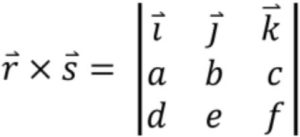
\(\bullet\text{ Cross Product}\)
\(\,\,\,\,\,\,\,\,\) \(…\)
\(…\)
\(\bullet\text{ Equation of a Plane}\)
\(\,\,\,\,\,\,\,\,Ax+By+Cz=D…\)